
Pegasus & Core Release Notes for March 2026
-
New Features
- Enhanced the HoS Logbook UI so users can clearly see when they have exceeded maximum work hours according to NOM-087, helping ensure compliance and improve driver safety by providing clear visual alerts.

- Implemented a feature to enable Syrus4G devices to perform a safe shutdown using ECU speed data, allowing the system to shut down even when GPS is jammed, thus increasing reliability and safety for fleet operations.
https://syrus.digitalcomtech.com/docs/syrus-4g-safe-engine-cutoff-using-ecu-speed
- Integrated the activation of outputs for WanWay device position commands via Tracking cards, thus making the system more flexible and compatible for all Wanway trackers.
- Added a field to the HoS API called end_working that shows when a cycle is forcefully closed, ensuring that dependent applications can receive accurate data. *
- Implemented an automatic filter for incoherent speed record entries, in order to ensure that reports and analyses are based on accurate and reliable data.
- Added a filter for random zero values coming from the Technoton fuel sensor, in order to ensure only valid fuel level data is reported. hardware?
- Improved SyrusJS ability to handle short bursts of multiple MDT messages, thus increasing the overall reliability of the device’s communication.
- Integrated jamming event detection for Queclink devices, enabling the automatic identification and reporting of signal jamming incidents. This enhancement improves device monitoring and security.
- Added the ability to allow users to send SMS messages to Syrus devices using phone numbers longer than 15 digits, improving flexibility and user experience.
- Adjusted the HoS API to accurately reflect and track segments that are in the process of being force-closed. This adjustment eliminates discrepancies and data loss during forced closures.
- Integrated Queclink GV57CG into the Pegasus platform, thus expanding hardware compatibility.
- Integrated detection and reporting of jamming events for Queclink devices, in order for users to be promptly alerted to potential signal interference.
- Expanded the digit limit for SMS destinations, enabling users to send messages to longer international numbers.
- Implemented a feature that allows manager and admin users to send syrus-apps-manager commands containing special characters (like $) from the cloud, thus improving command flexibility and supporting advanced use cases for authorized users.
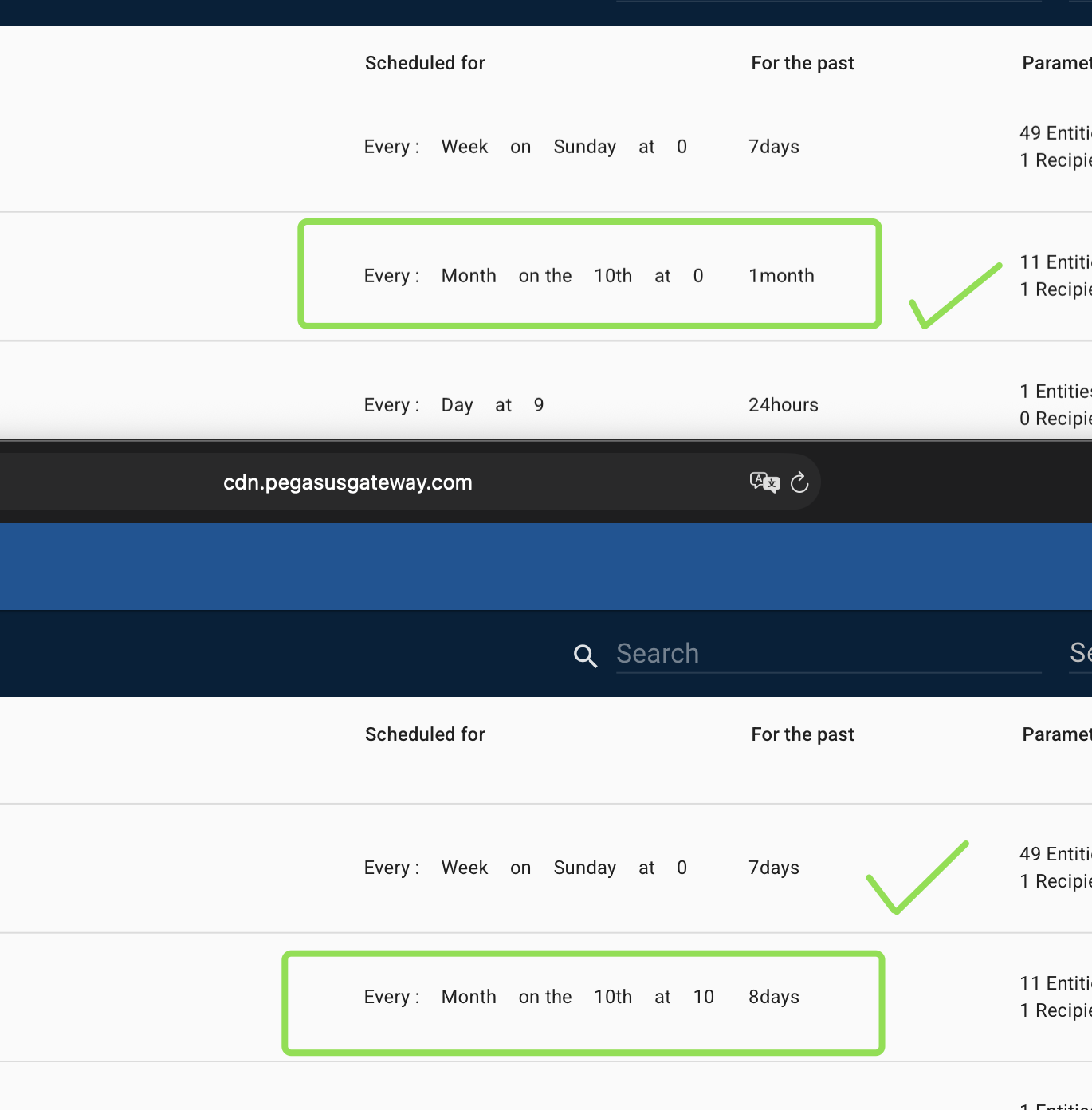
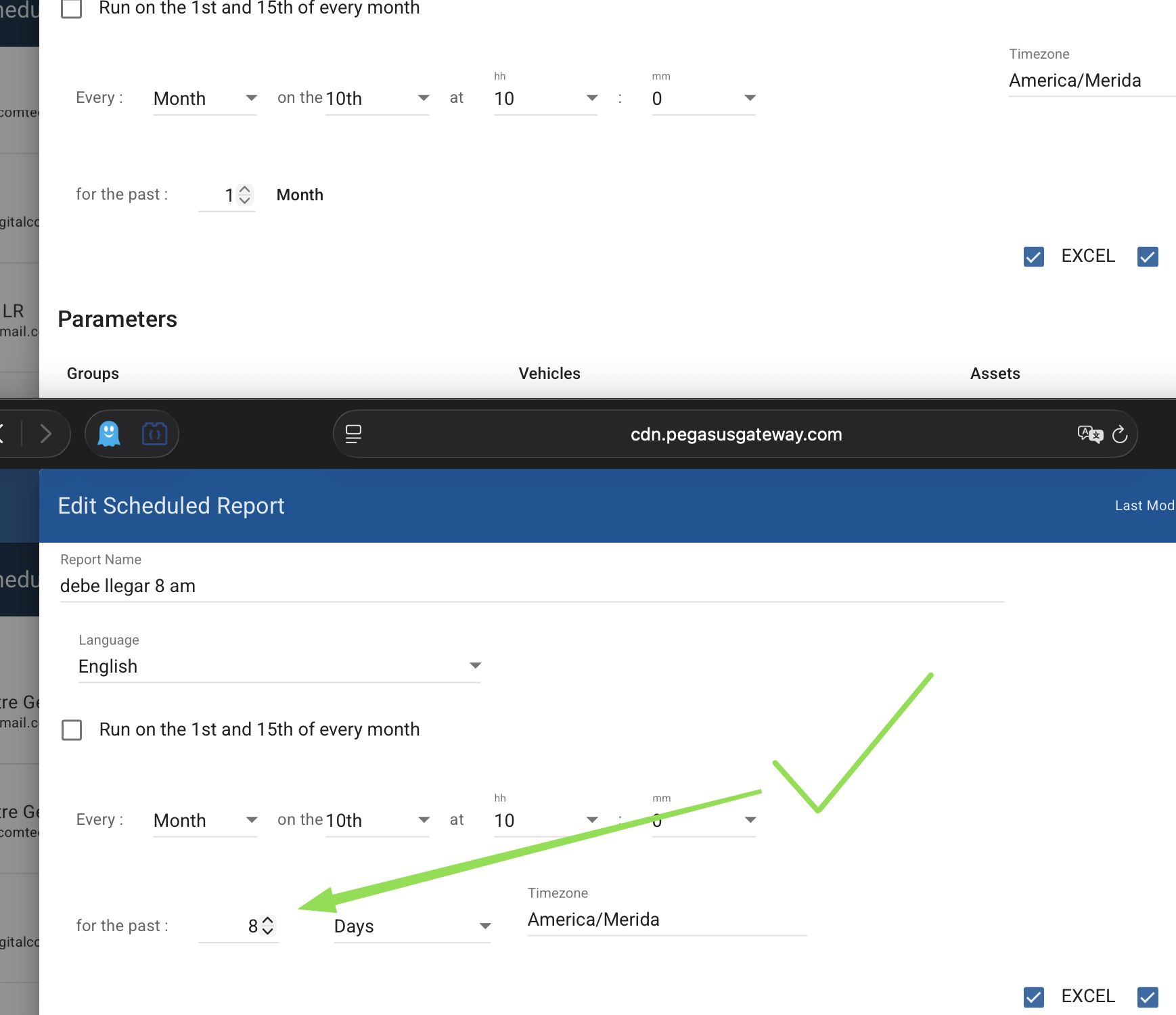
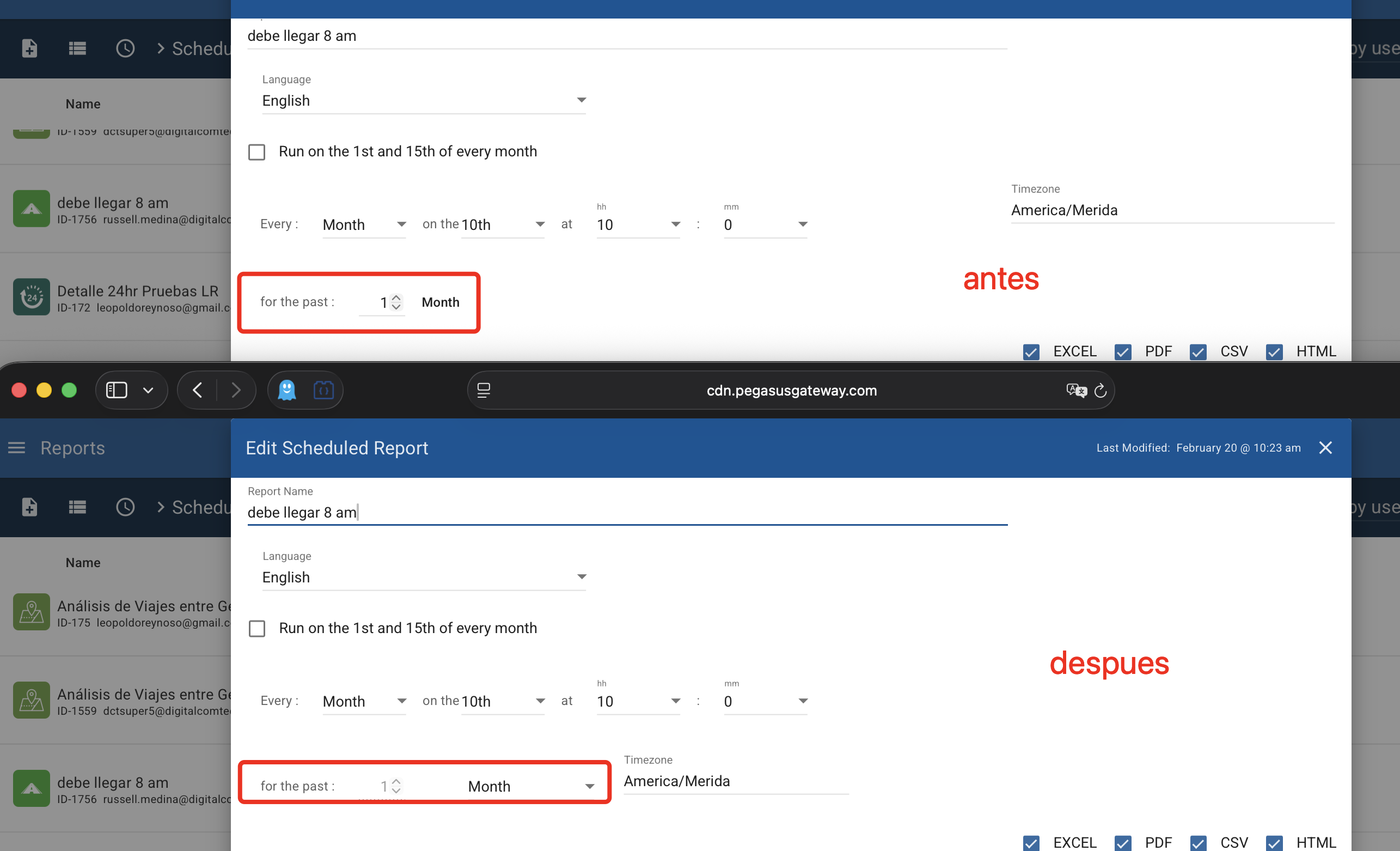
- Added the option of day-based scheduling for monthly reports, to increase the flexibility for clients.
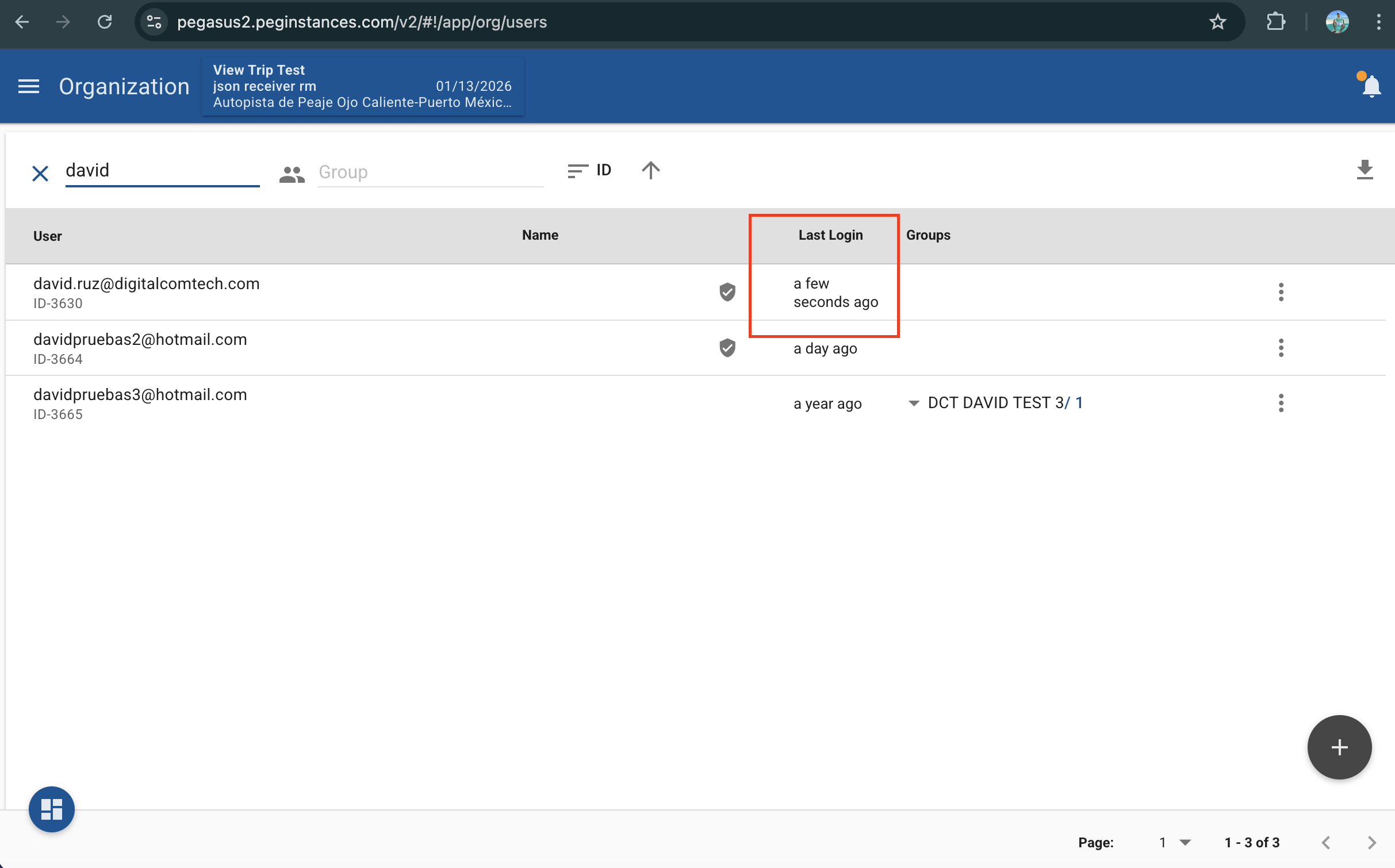
- Updated user activity tracking to include all non-login API calls, in order to provide accurate user activity data.
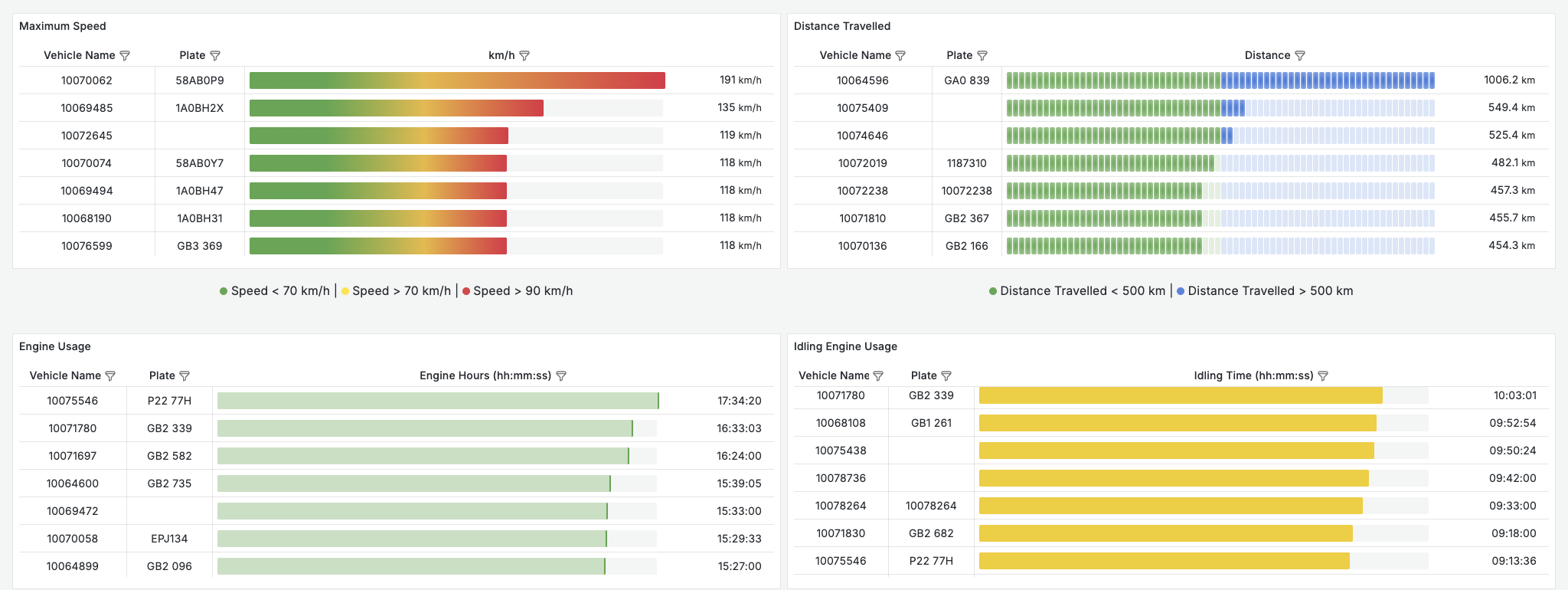
- Adapted dashboards for US operations with local units and improved data quality, enabling better decision-making for the client.
- Integrated the registration of unauthorized iButtons for GV350CEU devices, in order to ensure all iButton events are tracked.
- Updated device model mapping to correctly recognize ST8300V devices, in order to ensure accurate device identification.
- Expanded the permissions of users assigned by roles to be able to view and edit triggers, enabling better management and collaboration.
- Enhanced the UI in trip reports by automatically omitting empty columns, making reports cleaner and easier to interpret.
- Enhanced incident reports by adding total trip distance, providing more comprehensive analytics for incident review.
- Integrated events for the GSA900 device, expanding platform compatibility and monitoring capabilities.
- Adjusted the HoS API to accurately reflect forced-closed segments, ensuring data consistency and correct reporting.
- Added an option to hide multimedia in shared links, protecting driver privacy and sensitive data.
- Implemented a new trip detection method using GPS and ignition, increasing trip accuracy for specific events.
- Enhanced the HoS Logbook UI so users can clearly see when they have exceeded maximum work hours according to NOM-087, helping ensure compliance and improve driver safety by providing clear visual alerts.
-
Fixes
- Reduced delay in receiving passenger limit events from Surfsight.
- Fixed a bug where devices were not periodically sending satcom events.
- Fixed a bug where HoS API was not correctly separating driving cycles that are interrupted by a rest period of more than three days.
- Fixed a bug where the events list would sometimes not load inside tracking.
- Fixed a bug where users of the Syrus Mobile App could not add or view automation, hence not being able to manage triggers from their mobile devices.

- Fixed a bug that prevented commands from being executed on a device if the IMEI in the command does not match the device’s IMEI.
- Fixed a bug where videos with identical timestamps were not correctly processed and displayed in the event-media API and Pegasus.
- Fixed a bug where the safety dashboard wasn’t accurately loading and displaying all of the media events from Surfsight cameras.
- Fixed a bug where false alerts were being sent when vehicles would leave early or were removed from the trigger group.
- Fixed a bug where activation and deactivation events for input 2 on Teltonika FMC130 devices were not correctly detected and labeled in Pegasus.
- Fixed a bug where Event Count Report would not generate if the Media API returned an unauthorized response.
- Fixed a bug where attempting to use the Video Pro Telematics app would break out of the container and redirect away from the main platform.
- Fixed a bug where the validity status of an asset’s cycle was not being displayed consistently.
- Fixed a bug where photos from “unauthorized passenger” events were not successfully delivered to Telegram.
- Fixed a bug where emails would not promptly deliver after an alert is generated.
- Fixed a bug where non-admin users could not filter and view alerts from previous days.
- Fixed a bug where error data and MIL (Malfunction Indicator Lamp, or check engine light) status were missing from the J1939 report.
- Fixed a bug where trigger alerts were mistakenly sent when a vehicle briefly passed through the corner of a geofence.
- Fixed a bug where the Media API returned an unauthorized response, causing the report process to fail instead of continuing normally.
- Fixed a bug where real ECU protocol sent by third-party devices were not accurately displayed in Tracking.
- Fixed a bug where scheduled reports and alert notifications were not successfully delivered to non-company domain emails.
- Fixed a bug where assets that had previously been assigned to and then unassigned from a vehicle could not be reassigned to that same vehicle.
- Fixed a bug where devices connected to the ethernet interface could not properly resolve domain names when using the mobile network connection.
- Fixed a bug where commands for expanded outputs on GV310LAU would not work.
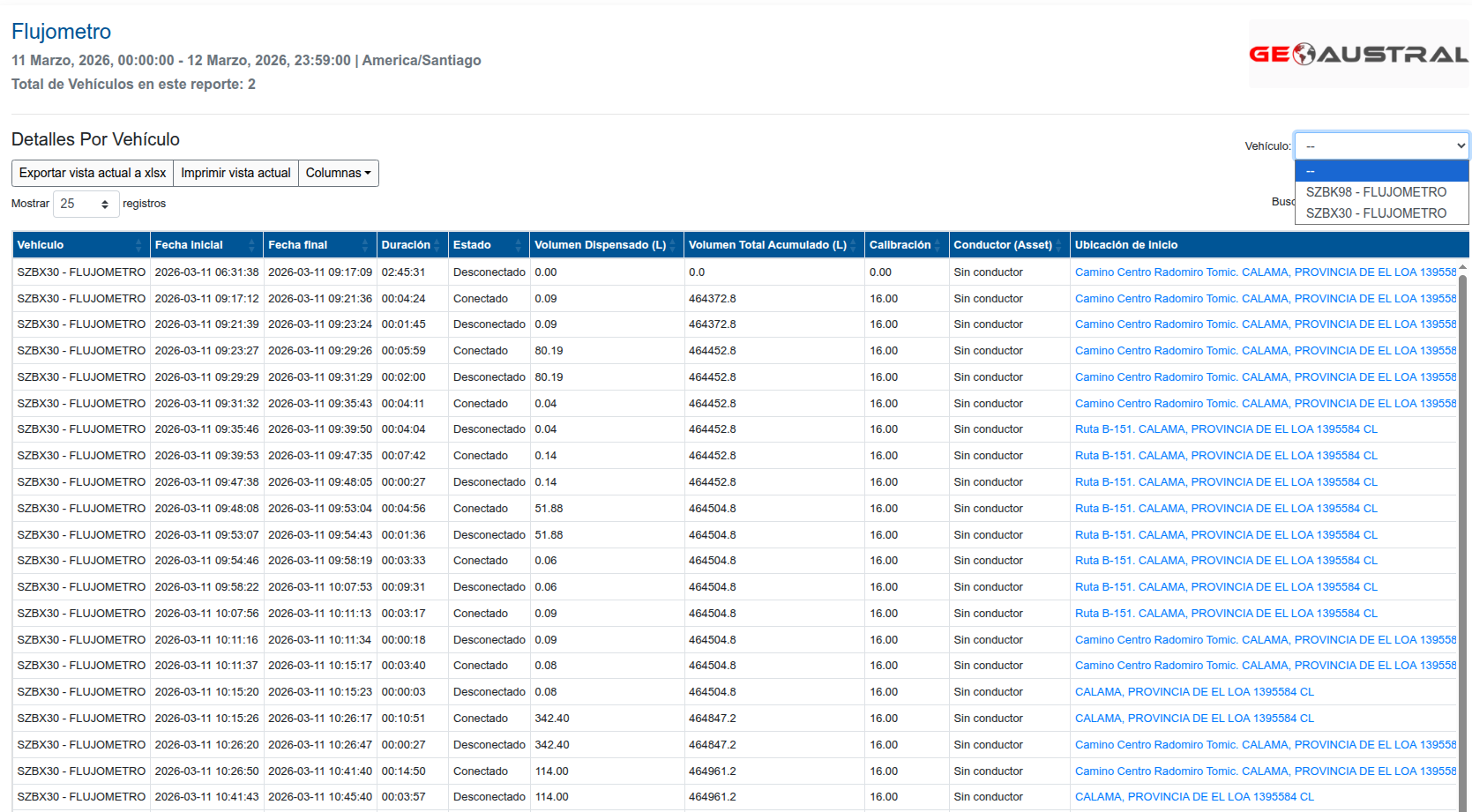
- Fixed a bug where decimals were being mishandled in the flowmeter report.
- Fixed a bug on Taurus app where geofences could not be properly created.
- Fixed a bug where SyrusJS could not initialize when the device has no signal.
- Fixed a bug where visit records would be repeated in geofence trip analysis reports.
- Fixed the geofence dwell time calculations for large reports that would produce errors.
- Fixed a bug where the battery level reporting for Oyster devices was not completely accurate.
- Fixed a bug where the trip reports would present inconsistencies when run for multiple vehicles.
- Fixed a bug where trip reports were not being generated properly.
- Fixed a bug where vehicle names were wrongly formatted in exported reports.
- Fixed a bug where failures in multi-day HoS reports were not being resolved.
- Investigated and fixed an issue where the visits report was generating slowly.
- Fixed the digital input event mapping for FMC130 devices.
- Investigated and fixed a bug where DTC tags were being simultaneously reported.
- Fixed a bug in the HoS logbook where some driving segments were not being logged, specifically times under 5 minutes.
- Corrected the time zone handling in speed reports, ensuring data matched local time for users.
-
Console Issues
- Fixed a bug where the Pegasus console was not responding to commands from third-party device.
- Fixed a bug where Teltonika devices were not receiving commands.
- Fixed a bug where the Pegasus console would return an error wrongfully saying that a command had not been sent.
Click here for prior release notes
Click here to search old release notes

